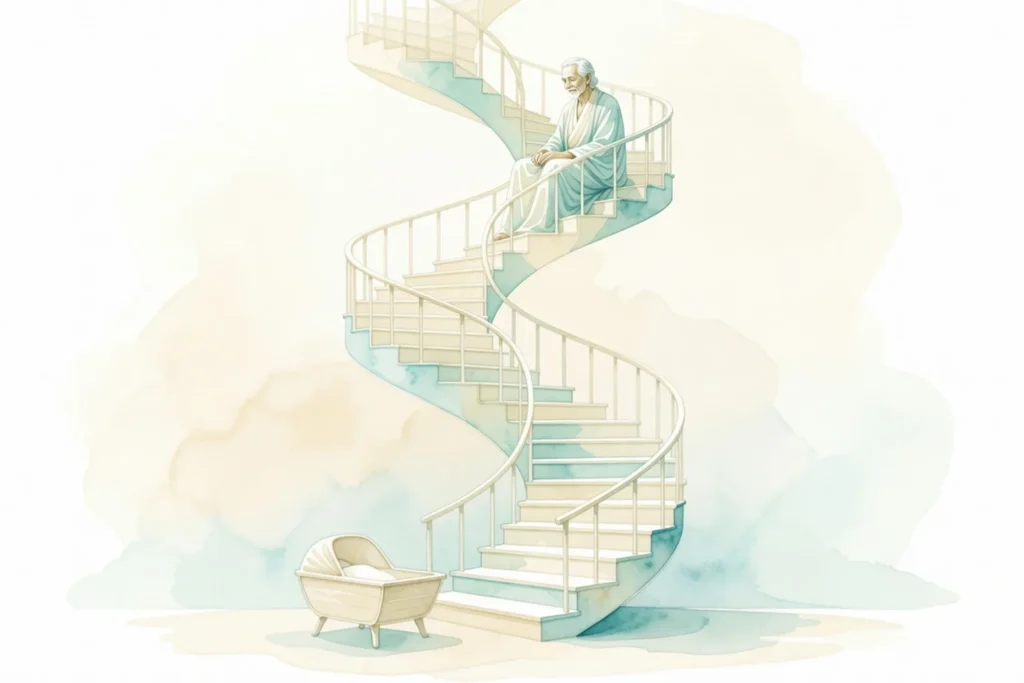
Erikson's 8 Psychosocial Stages: Chart, Virtues and Exam Mistakes
All eight stages with ages, crises and virtues in one chart, what research supports and the mistakes that cost points on exams.
All English articles
This is the complete list of English articles on PsiqueAcadémica. Each one takes a single topic from a psychology course, such as a theory, an author, a process or a technique, and explains it in plain language with an example, the evidence behind it and the points where students most often go wrong.
If you prefer to browse by subject, each article also appears in its area, from general and developmental psychology to neuropsychology and the history of the discipline. Use the area pages when you want to see how a topic connects with its neighbors, and use this page when you simply want to see what is new.
Browse everything in English here, or pick an area to study by subject.
All eight stages with ages, crises and virtues in one chart, what research supports and the mistakes that cost points on exams.

The four stages with ages, classic experiments and everyday examples, plus what later research changed and the exam mistakes to avoid.
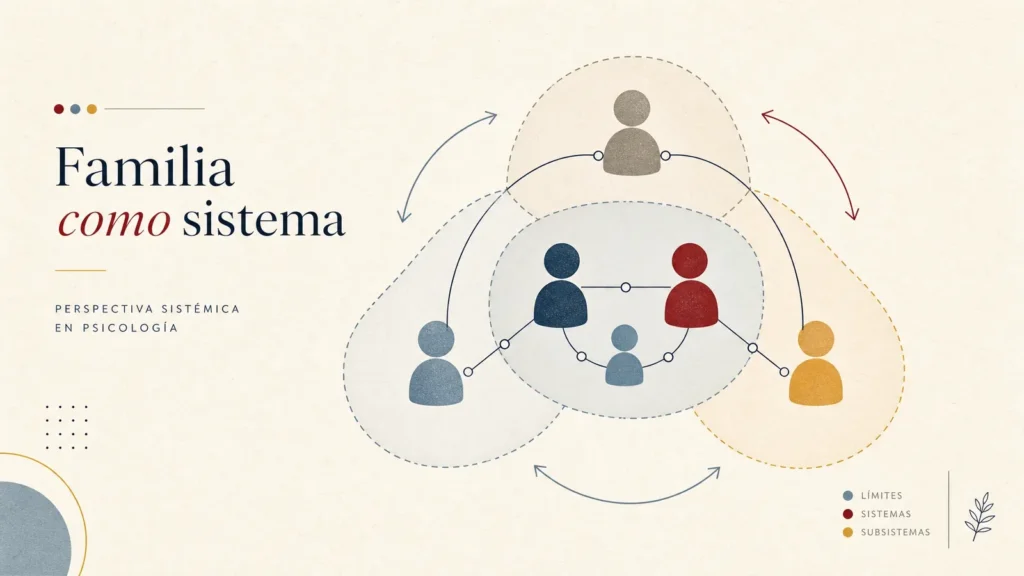
How systems thinking changed the way family problems are described: wholes, patterns, feedback and what a clinician looks at first.

Two ways of learning compared: what is learned, what comes first, what comes after and how to tell them apart in an exam example.

The five axioms of communication explained with everyday examples, and how they are used to read patterns in couples and families.
What neurotransmitters do, how they relate to behavior and why a single chemical is rarely the whole explanation.

Pavlov's experiments step by step: the terms, the procedure, extinction and the technique's place in therapy.

Where sensing ends and perceiving begins, with clear definitions, everyday examples and the usual exam confusions.

A student-oriented guide to the structure, question types and limits of the semi-structured clinical interview.

Id, ego and superego, plus the topographic model of conscious, preconscious and unconscious, with examples.

A study map of the frontal, parietal, temporal and occipital lobes: what each does and the cautions to keep in mind.
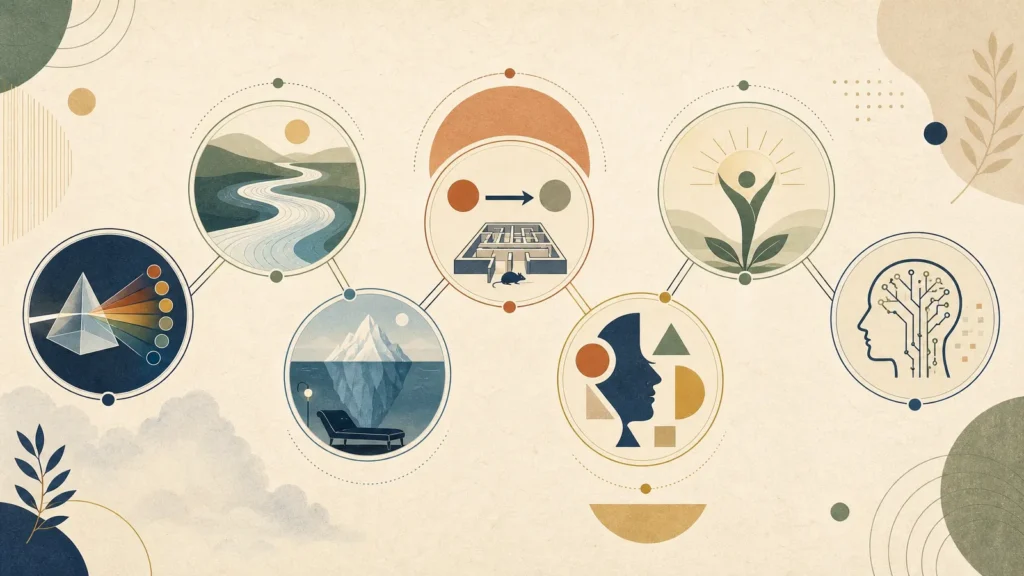
A timeline of the main schools, from structuralism to cognitive psychology: who proposed what and how each reacted to the last.

Bowlby's phases of attachment and the key ideas behind them, explained for students.

What general systems theory proposes and why psychology borrowed it to study people in context.

The twelve most-cited defense mechanisms, each with an example, and how they differ from coping strategies.