Psychology for university students
Understand. Practice. Connect.
You do not have to study psychology as a list of definitions. Find a topic, understand it and put it to the test with articles, class notes, learning paths, tests and tools.
Before every class presentation, Maya checks ten times whether she said something wrong. Checking lowers her anxiety for a few minutes, so she does it again. What keeps the cycle going?
Start with what you need
One topic. Several ways to make it yours.
Not everyone arrives with the same question. Pick a door and continue from there.
Read an explanation
Articles with context, concepts and sources to clear up a topic.
Explore articles → 02 · REVIEWOrganize class material
Class notes by subject to go back over the essentials before an exam.
See class notes → 03 · CHECKTake a test
Self-reflection questionnaires to see what you recognize and what to review.
Choose a test → 04 · USETry a tool
Free tools for assignments, starting with an online genogram maker.
Open the tools → 05 · GO DEEPERBrowse by area
Twelve areas of psychology, from general theory to neuropsychology.
See the areas →By area
Twelve areas to study by subject.
Each area page has its own introduction and lists the articles that belong to it.
General psychology
The base: theories, authors and the concepts every other area borrows.
Open the area →Developmental psychology
How people change across the life span, from infancy to old age.
Open the area →Clinical psychology
Assessment, clinical reasoning, family systems and ethics, for students.
Open the area →Psychological processes
Perception, learning, attention, emotion and communication, explained step by step.
Open the area →Neuropsychology
The brain, cognition and behavior, with careful limits on interpretation.
Open the area →History of psychology
Schools, authors and the debates behind today's concepts.
Open the area →Social psychology
Groups, influence, learning from others and the role of context.
Open the area →Educational psychology
Learning, teaching, study strategies and assessment in context.
Open the area →Therapeutic techniques
Interventions, interview skills and the ideas behind clinical practice.
Open the area →Mental health
Well-being, risk factors and careful language about emotional experience.
Open the area →Psychopathology
Signs, criteria and differential thinking, studied without self-diagnosis.
Open the area →Personality
Traits, types and theories of what makes people consistent over time.
Open the area →Start here
Guides to start with.
Six explanations that tie together development, learning, personality and the brain, each with examples and the mistakes to avoid on exams.
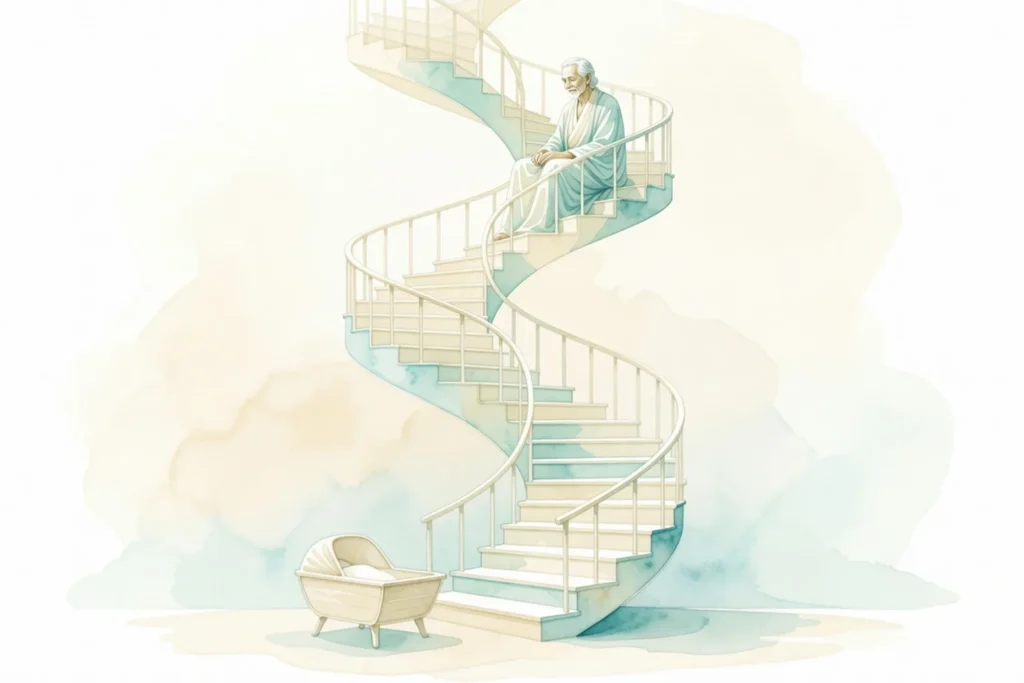
Erikson's 8 Psychosocial Stages: Chart, Virtues and Exam Mistakes
Read now →
Piaget's 4 Stages of Cognitive Development: Examples and Critiques
Read now →
Defense Mechanisms: The 12 Main Ones, with Examples
Read now →
Bowlby's Attachment Theory: Phases and Key Ideas
Read now →
Classical vs. Operant Conditioning: Differences and Examples
Read now →
The Four Brain Lobes and Their Functions: A Study Map
Read now →Practice
Free tools and reflective tests.
No sign-up needed. The tests are orientative questionnaires, not diagnoses.
Online genogram maker
Three or four generations of a family with the standard symbols.
Make a genogram → DECIDEShould I End My Relationship? A Decision Test
A reflective questionnaire to organize what you think and feel before deciding.
Take the test → EXPLORELove or Obsession? Limerence Test
A reflective questionnaire on how intense attachment differs from obsession.
Take the test →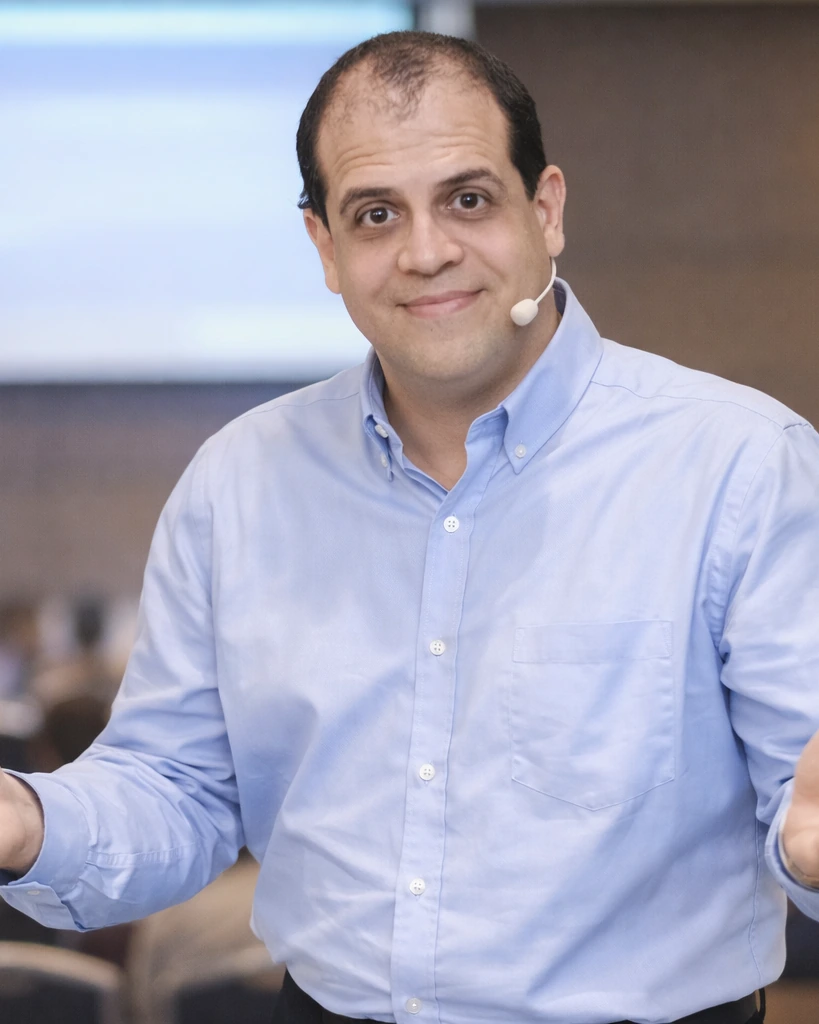
Who is behind it
Psychology organized so you can think it through and practice it.
Ricardo De Castro King is a university lecturer with 16 years of teaching experience and the creator of PsiqueAcadémica.